The best audible books do something print cannot always replicate they bring a narrator’s voice, emotion, and timing into the experience, turning a story or idea into something that feels alive. Whether it is a thriller that keeps you gripping your steering wheel at a red light, a memoir narrated by the author with raw honesty, or a business book that suddenly makes a complex idea crystal clear, the best audible book at the right moment is genuinely memorable.
This guide is for anyone who wants to know which books are worth their listening time across genres, across moods, and across different kinds of listening situations. No filler. No recycled lists. Just honest, experience-based guidance on what makes an audible book worth recommending.
What Makes an Audible Book Truly Great
Before jumping into titles and genres, it helps to understand what separates an outstanding audible book from a merely decent one. Not every book translates well to audio and not every narrated book, even of a great title, delivers the experience it promises.
Narration Quality
This is the single most important factor. A skilled narrator does not just read words — they interpret them. They know when to slow down, when to build tension, when to let silence do the work. An unengaged narrator reading a masterpiece is still a disappointing listen.
Author-Read Memoirs and Essays
When authors narrate their own work — particularly memoirs — something special happens. You hear the story the way the person actually lived it. The pauses, the slight catch in the voice, the wry humor — none of that can be replicated by even the best professional narrator.
Production Value
Background music, multiple voice actors, and sound design can elevate certain genres — particularly thrillers, horror, and children’s content — significantly. When done well, these elements create an immersive experience. When done poorly, they distract.
Pacing Compatibility
Some dense academic or philosophical texts are genuinely difficult to follow in audio form because the listener cannot pause, reread, or annotate as easily. The best audible books tend to have a natural spoken rhythm — even non-fiction titles that were written with a conversational flow translate better to audio than those written in dense academic prose.
Best Audible Books by Genre
Fiction and Literary Novels
Thrillers and Mysteries This is arguably the genre that benefits most from audio. Tension, pacing, and character voice are everything in a thriller — and a skilled narrator can make your heart race in ways that silent reading sometimes cannot. Look for titles with full-cast productions where different voice actors handle different characters. The result feels closer to a radio drama than a traditional audiobook, and the immersion is remarkable.
Practical tip: For thrillers, avoid starting a new audible book late at night unless you are prepared to lose sleep — the pacing of a good thriller audio is genuinely hard to pause.
Literary Fiction The best literary fiction audiobooks tend to be narrated by a single, highly skilled voice actor who can hold tonal consistency across a long, layered narrative. Author-read versions of literary fiction are particularly worth seeking out — hearing a novelist narrate their own prose reveals intentional rhythms that silent reading sometimes misses.
Historical Fiction Period-accurate narration — including accents, cadence, and vocabulary — makes historical fiction come alive in audio. A narrator who genuinely inhabits a 19th-century voice transforms historical fiction from interesting to immersive.
Non-Fiction
Memoir and Biography This is the category where audible books most consistently outperform their print counterparts. When a person narrates the story of their own life, the authenticity is irreplaceable. Comedians, athletes, scientists, and activists who write and narrate their own memoirs bring a directness and vulnerability to audio that print simply cannot capture.
Look specifically for memoirs where the author is known for their speaking voice — comedians, podcasters, and public speakers tend to produce particularly listenable memoir audiobooks.
Self-Help and Personal Development This genre works well in audio precisely because it is conversational by nature. The best self-help audible books feel like a knowledgeable friend talking directly to you during your morning run. The repetition that sometimes feels excessive in print feels like useful reinforcement in audio.
One practical note: keep a voice memo app or notes app open when listening to self-help audiobooks. Ideas that feel obvious while listening have a way of disappearing by the time you need them.
Business and Economics Dense data-heavy business books can be challenging in audio. The best audible business books are those written with narrative structure — following a story or argument rather than presenting pure data. Books that blend case studies, personal narrative, and practical frameworks tend to transfer well.
Children’s and Young Adult
Children’s audiobooks deserve their own category because the standards are different. For young listeners, voice acting range, energy, and clarity matter more than literary sophistication. A narrator who can voice ten distinct characters convincingly — and make each one memorable — is worth finding and staying loyal to.
For young adult fiction, full-cast productions have become increasingly common and genuinely enhance the experience for teenage listeners. If a young person in your life claims they do not enjoy reading, an engaging YA audiobook narrated by a skilled cast might be exactly the entry point they need.
Science, History, and Ideas
Books that explore big ideas — evolutionary biology, world history, philosophy, economics — vary enormously in their audio suitability. The determining factor is almost always how the original text was written. Accessible, narrative-driven science books translate beautifully to audio. Textbook-style academic writing, even on fascinating topics, can feel numbing without visual structure to guide the reader.
For this genre, checking a sample of the narration before committing is particularly important. Ten minutes of a sample will tell you whether the narrator has the range and intelligence the material requires.
How to Find the Right Audible Book for Your Listening Situation
Different listening contexts call for different types of audible books. Here is a practical match:
Commuting (30–60 minutes daily): Thrillers, mysteries, or narrative non-fiction work best. You want something with momentum — that makes you look forward to the drive.
Exercise: High-energy non-fiction, self-help, or comedy memoirs. You want something that does not require too much concentration but still feels worthwhile.
Winding down before sleep: Literary fiction with beautiful prose and a calm narrator. Avoid thrillers unless you want to be wide awake at midnight.
Long travel or flights: This is the best context for longer, more ambitious titles — epic historical fiction, detailed biographies, or that long business book you have been meaning to get through for two years.
Household tasks: Lighter non-fiction, essay collections, or books you have already read in print. Tasks that require partial attention pair well with books that do not demand complete focus.
Platforms Beyond the Obvious
Most people default to one major platform when they think of audible books, but the space has expanded significantly. Independent platforms, regional language services, and specialized educational audio services have created real alternatives — particularly for listeners who want content beyond mainstream English titles.
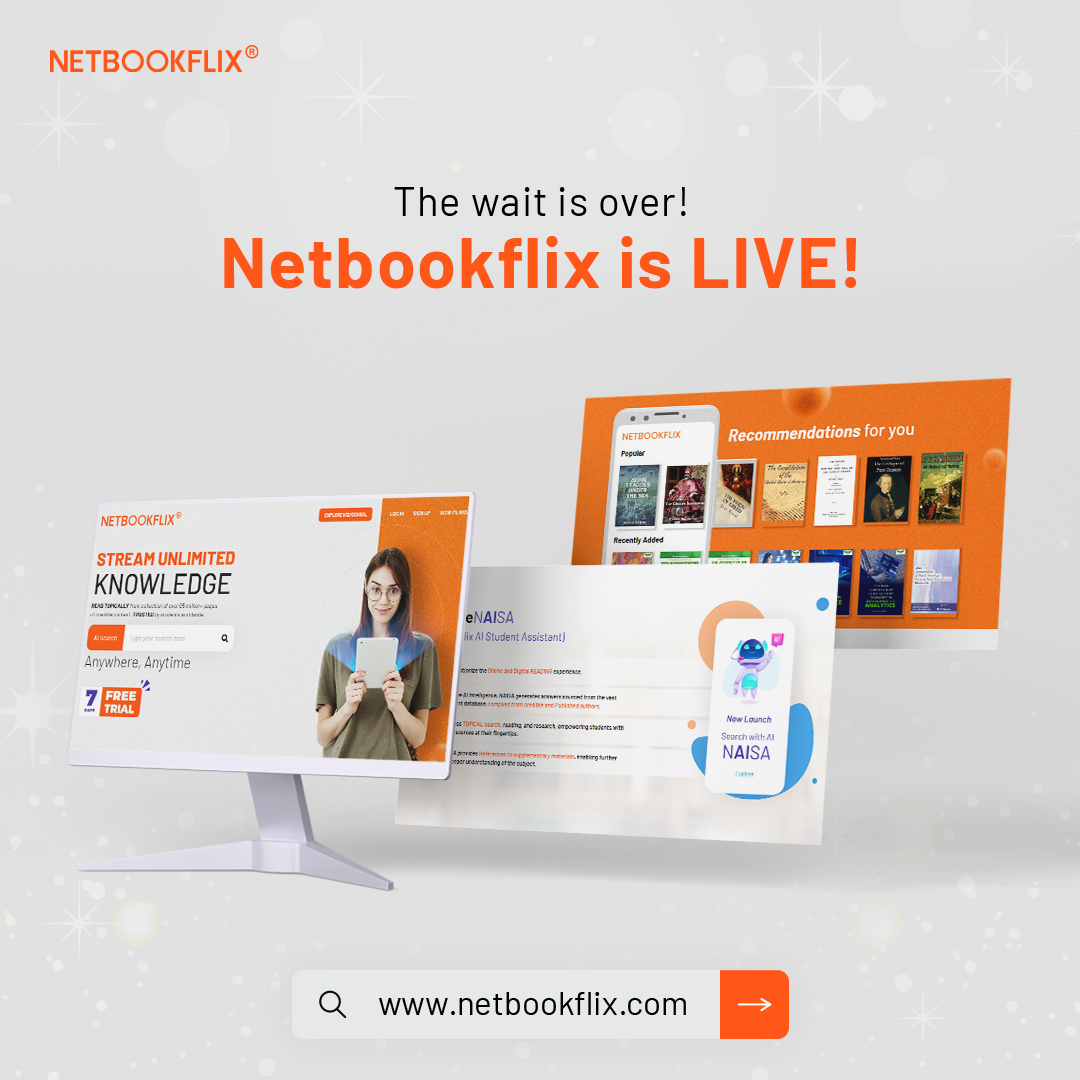
For Indian listeners especially, platforms are increasingly offering audible books in Hindi, Marathi, Tamil, Urdu, and other regional languages. Netbookflix is one such platform worth exploring for educational and regional language audio content — part of a growing ecosystem that recognizes that the best audible books are not always in English, and the best listeners are not always in Western markets.
Exploring beyond the dominant platforms often uncovers narrators, authors, and titles that mainstream algorithms would never surface — and some of those discoveries become the most memorable listens of all.
10 Frequently Asked Questions
1. What makes an audible book better than reading the print version? For narrative-driven content — fiction, memoir, and story-based non-fiction — skilled narration adds emotional depth that silent reading does not always provide. It also enables multitasking, making books accessible during activities where reading is impossible.
2. Are author-narrated audible books always better? Not always, but often for memoir and essay collections. Authors know their own material’s rhythm and intent. However, authors who are not comfortable in front of a microphone can produce stiff, uncomfortable narrations — always check a sample first.
3. How do I choose the best audible book if I am new to the format? Start with a genre you already love in print, and choose a title with strong narration reviews. Your first audible experience sets the tone — a poorly narrated book might unfairly put you off the format.
4. Can I listen to audible books at faster speeds without losing comprehension? Most experienced listeners use speeds of 1.25x to 1.75x without significant comprehension loss. Start at 1.1x or 1.25x and increase gradually. Dense non-fiction usually requires slower speeds than fiction.
5. Are there free audible books available legally? Yes. Public domain titles are freely available on platforms like LibriVox and Project Gutenberg’s audio section. Many public libraries also provide free audible book access through apps.
6. Which genres work best as audible books? Thrillers, memoirs, self-help, and narrative non-fiction consistently transfer well to audio. Dense academic texts, books with complex diagrams or data tables, and heavily footnoted works are generally better in print.
7. How long does it take to finish an average audible book? Most audible books run between 8 and 12 hours. At one hour of daily listening, you can finish a book in under two weeks. At 1.5x speed, that becomes under ten days — making it realistic to complete two to three books per month.
8. Is it worth paying for premium audible books versus free alternatives? Premium productions typically offer professional narrators, better sound quality, and full-cast performances where appropriate. For your favorite genres or most anticipated titles, the investment is usually worthwhile. Free options are excellent for exploring new genres or classic titles.
9. Can children develop a love of reading through audible books? Absolutely. Audible books build vocabulary, comprehension, and a relationship with storytelling. Many children who struggle with print reading become enthusiastic about stories through audio — and that enthusiasm often transfers back to reading over time.
10. How do I remember what I learn from non-fiction audible books? Keep a notes app open while listening and jot key ideas immediately. Revisit your notes within 24 hours while the content is fresh. Some listeners replay particularly valuable sections at regular speed even if they normally listen faster.
Conclusion
The best audible books are not simply the most popular ones — they are the ones that match your listening style, your current mood, and the time you have available. A brilliantly narrated thriller during a daily commute, a comedian’s memoir during a long run, a beautifully written novel during a quiet evening — each of these is a different kind of listening experience, and each can be genuinely enriching.
The format has matured enough that across every genre, every age group, and increasingly every language, there are audible books worth your time. The challenge is no longer finding them — it is choosing wisely from an abundance of excellent options.
Start with what genuinely interests you. Find a narrator whose voice you trust. And then simply listen.
Leave a Reply