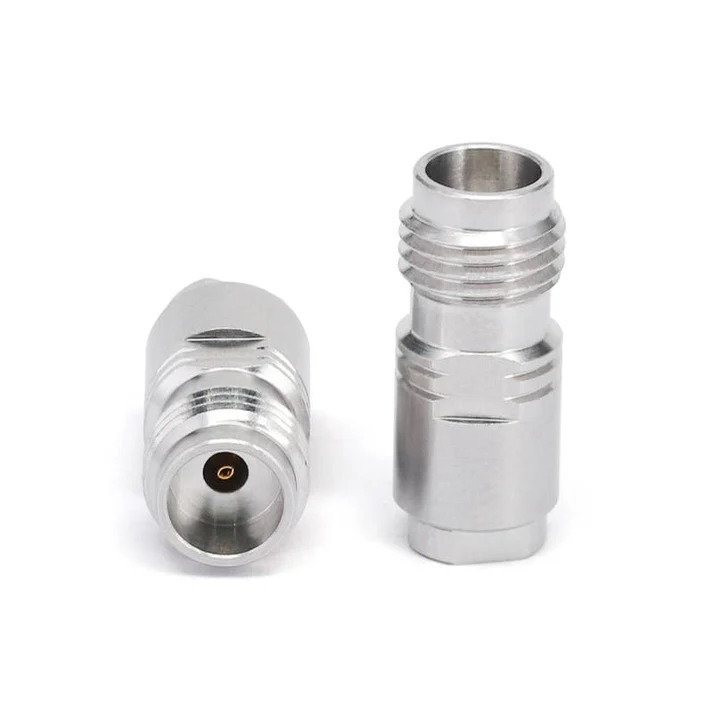
High-frequency systems demand accuracy at every connection point. From lab testing to aerospace communication, the quality of adapters and power handling components plays a direct role in signal stability. The Wr22 to 2.4mm interface is widely used where waveguide and coaxial systems meet, especially in the 33 to 50 GHz range. Understanding how it works and where it fits helps engineers make confident decisions in complex RF setups.
Understanding the Wr22 to 2.4mm Interface
The Wr22 to 2.4mm connection is designed to bridge waveguide paths with coaxial lines without disturbing signal behavior. It supports millimeter wave frequencies where even minor mismatches can cause loss or reflection. This type of adapter is commonly chosen because it offers
- Stable signal transition between the waveguide and coax
- Low insertion loss for sensitive measurements
- Consistent impedance control at 50 ohms
Engineers rely on this interface in systems where precision matters more than flexibility.
Why This Connection Matters in High Frequency Systems
At frequencies above 30 GHz, performance margins become tight. Any connector weakness can affect system output. A well-built Wr22 to 2.4mm adapter helps maintain clean transmission and predictable results. It supports work in
- Radar and satellite communication
- Defense and space programs
- RF research labs and calibration setups
- Industrial testing environments
These applications require repeatable performance under varying temperatures and operating conditions.
Build Quality That Supports Demanding Use
Mechanical strength is just as important as electrical behavior. A solid adapter body keeps alignment intact and prevents long-term wear.
Key construction features often include
- Precision-machined brass body
- Gold plating for stable contact
- Straight body design for easy installation
- Secure flange mounting for waveguide ports
This build approach helps maintain performance even during repeated connections and removals.
Role of a 3-way power divider in RF Systems
While adapters manage transitions, power dividers control signal distribution. A 3-way power divider evenly splits a single input signal into three output paths. This is useful when
- Feeding multiple test instruments from one source
- Distributing signals across antenna paths
- Supporting parallel measurement setups
When paired correctly with waveguide-to-coax adapters, power dividers help create balanced and organized RF networks.
How These Components Work Together
In real systems, adapters and dividers rarely work alone. A Wr22 to 2.4mm adapter can connect a waveguide source to a coaxial chain, which then feeds into a 3-way power divider.
This setup allows
- Clean transition from waveguide to coax
- Equal signal distribution without distortion
- Better control over measurement paths
Such combinations are common in test benches and communication racks where space and accuracy both matter.
Designed for Real World Conditions
High-frequency hardware must perform under stress. Temperature shifts, vibration, and extended use all affect results.
Quality RF components are built to
- Operate from extreme cold to high heat
- Maintain electrical values over time
- Meet RoHS compliance standards
This makes them suitable for long-term deployment in controlled labs and field environments alike.
Support Beyond the Product
Selecting the right RF component is not always simple. Technical support and fast delivery play a significant role in project timelines. Flexi RF Inc. supports engineers with same-day shipping on many items, access to datasheets, and help from experienced RF specialists.
They also offer
- Custom design options when standard parts do not fit
- An extensive catalog covering adapters, connectors, and waveguide parts
- Consistent stock levels for urgent requirements
These strengths help teams move from design to testing without delay.
Common Questions Engineers Ask
Is Wr22 to 2.4mm suitable for millimeter wave testing
Yes, it supports frequencies from 33 to 50 GHz and is widely used in millimeter wave measurement setups.
Can a 3-way power divider affect signal balance?
When properly designed, it splits power evenly with a controlled phase and minimal loss.
Are these components used outside labs?
They are also used in aerospace defense and industrial systems where stable RF paths are required.
Summary for Reference
The Wr22 to 2.4mm interface plays a key role in high-frequency signal transition, offering stable performance in demanding environments. When combined with a 3-way power divider, it supports clean signal distribution across multiple paths. With strong build quality, wide temperature tolerance, and dependable support, these components fit naturally into advanced RF systems where accuracy and reliability are expected.
Leave a Reply