Introduction
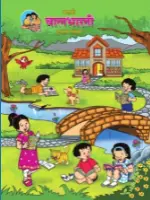
If your child studies in a Maharashtra school or is currently in Class 3, the name “Marathi Balbharati Ayatta Tisri” is something you have definitely come across. This is not just a textbook — it is a doorway that introduces young learners to the world of the Marathi language. Filled with poems, stories, early grammar concepts, and cultural references, this book builds a connection between a child and the rich heritage of Maharashtra.
Class 3 is a turning point in a child’s learning journey. At this stage, children move beyond simply recognising letters — they begin to understand words in context, form sentences on their own, and attempt to write short paragraphs. The foundation laid by Marathi Balbharati at this level stays with a student throughout their school life.
This blog covers everything you need to know about this book — its structure, teaching approach, benefits, practical tips for parents and teachers, and much more. Whether you are a parent trying to support your child at home, a teacher looking for fresh classroom ideas, or a student who wants to understand the book better, this guide is for you.
What Is Marathi Balbharati Ayatta Tisri?
“Ayatta Tisri” simply means Class 3 in Marathi. This textbook is developed by the Maharashtra State Bureau of Textbook Production and Curriculum Research, commonly known as Balbharati. It is the official Marathi language textbook used across government and aided schools in Maharashtra.
The book is carefully designed keeping in mind the age group of 8 to 9-year-old children. The language used is simple yet rich, the topics are relatable, and the exercises push children to think rather than just memorise. Every chapter in the book has a purpose — to make Marathi feel natural, enjoyable, and meaningful for young learners.
Structure and Key Features of the Book
The Marathi Balbharati Ayatta Tisri textbook follows a well-organised pattern. Each chapter typically includes:
A main reading passage or poem that introduces the theme of the chapter. Comprehension questions that test whether the child has understood what they read. New vocabulary words highlighted for the child to learn and use. Grammar exercises woven into the chapter in a practical way. Creative activities like drawing, writing, or discussion prompts that go beyond the textbook.
The topics covered in the book range from nature, family, and festivals to animals, moral values, and community life. This variety ensures that children stay engaged and see Marathi as a living language rather than just a school subject.
Why This Book Matters at the Class 3 Level
Many parents wonder why Marathi as a subject needs so much attention at such an early age. The answer lies in what language learning does for a child’s overall development.
When a child reads a Marathi poem and understands its meaning, they are not just learning language — they are developing empathy, imagination, and cultural awareness. When they write a few sentences describing their home or their favourite festival, they are practising organisation of thought, which is a skill that helps in every subject.
Marathi Balbharati Ayatta Tisri is specifically designed to make this process natural. The stories and poems in the book reflect real life — the kind of life a child in Maharashtra actually lives. This makes the content immediately relatable and easier to absorb.
What Children Learn from Marathi Balbharati Class 3
The learning outcomes of this textbook go well beyond language skills. Here is what a Class 3 student genuinely gains from this book:
Reading fluency in Marathi with proper pronunciation and rhythm, especially through the poems in the book.
Vocabulary building through new words introduced in every chapter, along with their usage in sentences.
Basic grammar understanding covering concepts like nouns, verbs, singular and plural forms, and simple sentence construction.
Listening and speaking skills developed through classroom activities, recitation of poems, and group discussions.
Writing practice through short answers, fill-in-the-blank exercises, and creative writing prompts.
Cultural connection through stories and poems that celebrate Maharashtra’s traditions, festivals, nature, and values.
How Teachers Bring This Book to Life in the Classroom
A textbook is only as effective as the teacher using it. Experienced Class 3 teachers use several creative methods to make Marathi Balbharati lessons engaging:
Poem recitation with expression — Children are encouraged to recite poems loudly with proper intonation and emotion. This builds confidence along with language skills.
Storytelling with questions — After reading a passage, the teacher asks open-ended questions like “What would you have done in this situation?” This encourages critical thinking.
Role play — Some chapters lend themselves to role play where children act out scenes from the story. This makes the content memorable.
Word wall activities — New vocabulary words are written on a classroom wall display, and children are asked to use them in sentences during the week.
Peer reading — Children read to each other in pairs, which builds both reading fluency and listening skills at the same time.
Practical Tips for Parents Supporting Their Child at Home
You do not need to be a Marathi scholar to help your child with this textbook. Simple, consistent support at home makes a big difference:
Read together daily — Even 10 minutes of reading a chapter or poem together helps your child become more comfortable with the language.
Ask about their day in Marathi — Encouraging casual Marathi conversation at home reinforces what they learn in school.
Help with vocabulary — When your child encounters a new word, help them look it up and use it in a sentence together.
Do not rush through exercises — Take time with each question. Ask your child to explain their answer in their own words rather than just writing it down.
Use visual aids — If the chapter is about animals or nature, look up pictures together. Visual context helps younger children connect words to meaning.
Celebrate small achievements — If your child recites a poem correctly or writes a sentence without help, acknowledge it. Positive reinforcement builds a love for the subject.
The Role of Digital Learning Resources
With classrooms evolving and children becoming more comfortable with screens, digital resources have become an important complement to physical textbooks. Platforms like Netbookflix offer curriculum-aligned digital books and learning resources for Maharashtra board students, making it easier for children to access their textbooks and supplementary material from anywhere, at any time.
Such platforms support both classroom instruction and independent learning at home, bridging the gap between what is taught in school and what a child can explore on their own.
Common Challenges Children Face and How to Address Them
Some children find Marathi difficult despite it being their regional language. Here are the most common challenges and practical solutions:
Difficulty with script — Some children confuse similar-looking Devanagari letters. Regular handwriting practice and tracing exercises help significantly.
Low reading speed — This usually improves with daily reading practice. Start with shorter passages and gradually increase the length.
Trouble understanding poems — Poems often use older or more formal Marathi. Read the poem line by line and explain the meaning of each line in simple words.
Weak vocabulary — Encourage your child to maintain a small notebook where they write one new Marathi word every day with its meaning and a sentence.
Avoiding the subject — If a child shows resistance to Marathi, try connecting it to something they enjoy a Marathi song, a folk tale, or a cartoon in the language.
10 Frequently Asked Questions
- What is Marathi Balbharati Ayatta Tisri? It is the official Marathi language textbook for Class 3 students in Maharashtra, published by the Balbharati board. It covers reading, writing, grammar, and cultural themes suited to 8 to 9-year-old learners.
- Which board follows this textbook? This book is followed by the Maharashtra State Board of Secondary and Higher Secondary Education. It is used in government, semi-government, and aided schools across Maharashtra.
- How many chapters are there in Marathi Balbharati Class 3? The textbook typically contains around 15 to 18 chapters, including a mix of prose passages, poems, and grammar-based lessons.
- Is this book available in digital format? Yes, digital versions are available through official Maharashtra board portals and educational platforms that host curriculum-aligned content for K-12 students.
- How can parents help their child with this book at home? Daily reading practice, casual Marathi conversation, helping with new vocabulary, and reviewing exercises together are some of the most effective ways parents can support learning at home.
- What grammar topics are covered in Class 3 Marathi Balbharati? At this level, children are introduced to basic concepts like nouns, verbs, singular and plural forms, gender in Marathi, and simple sentence formation.
- How is this book different from Class 2 Balbharati? Class 3 Balbharati is noticeably more detailed. The sentences are longer, the vocabulary is richer, and the grammar exercises are more structured compared to Class 2.
- Are there poems in Marathi Balbharati Ayatta Tisri? Yes, poems are a core part of the book. They help children develop rhythm, pronunciation, and an appreciation for Marathi literary tradition.
- How should teachers assess students on this textbook? A combination of oral recitation, written comprehension, dictation, and creative writing tasks gives a well-rounded picture of a student’s progress.
- My child struggles with Marathi despite being a native speaker. Is that normal? Yes, it is more common than people think. Speaking a language at home and reading or writing it formally are very different skills. Regular structured practice with patience and encouragement usually resolves this over time.
Conclusion
Marathi Balbharati Ayatta Tisri is far more than a school textbook. It is a carefully crafted learning experience that introduces Class 3 children to the depth, beauty, and practicality of the Marathi language. Every poem, every story, and every exercise in the book has been designed with a clear purpose to make young learners feel connected to their language and confident in using it.
For parents and teachers, supporting a child through this book is not about covering pages — it is about building a relationship between the child and their mother tongue. With the right approach, consistent practice, and a little creativity, Marathi Balbharati Class 3 can become one of the most enjoyable parts of a child’s school year.
Leave a Reply