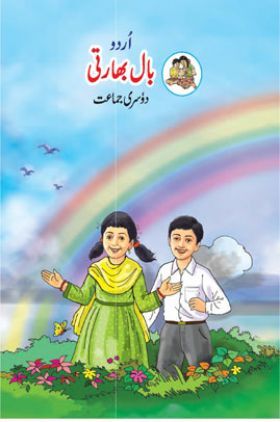
You’ll find the Class 2 Balbharti- Urdu Maharashtra Textbook designed to match classroom needs and state curriculum standards, so you can use them confidently to support learning at home or in school. These official Balbharti resources give clear lessons, graded exercises, and language-building activities aligned with MSBSHSE guidelines, making it straightforward to track progress and reinforce classroom teaching.
This post will guide you through what the books cover, how they benefit young Urdu-language learners, and practical tips for getting the most from each chapter so you can plan lessons, practice at home, or supplement classwork with purpose.
Overview of Class 2 Balbharti- Urdu Maharashtra Textbook Bureau
This textbook presents age-appropriate Urdu lessons, simple grammar, and short stories designed to build reading, speaking, and listening skills for second graders. It connects classroom activities to practical language use and assessment tasks.
Purpose and Curriculum Alignment
You will find the book aligned with Maharashtra State Board learning goals for Class 2 Urdu. It aims to develop foundational literacy: letter recognition, basic vocabulary, sentence formation, and listening comprehension. Lessons match the board’s expected competencies for this grade, so teachers can follow the state scope and sequence without major adjustments.
The text supports classroom assessment by including exercises and short evaluation tasks that reflect the board’s exam formats. Activities emphasize oral practice and simple written responses to prepare students for in‑class tests and term exams.
Key Features and Structure
The book uses short, illustrated chapters with progressive difficulty to keep learners engaged. Each chapter typically contains: a vocabulary list, a short story or dialogue, comprehension questions, and simple grammar points. Visuals and repetition reinforce word recognition and pronunciation.
You will see recurring sections for speaking practice, writing exercises, and review pages. Teacher notes and activity suggestions often accompany lessons to support classroom delivery and small-group work. Page layout focuses on clarity: large fonts, labeled illustrations, and spaced exercises for easy student interaction.
Subjects and Topics Covered
Primary focus areas include:
- Alphabet and Phonics: letter forms, sounds, and joining letters.
- Vocabulary: everyday words related to home, school, family, animals, and common verbs.
- Reading: short stories, rhymes, and dialogues aimed at fluency.
- Grammar: simple sentence structure, gender and number agreement, and use of basic pronouns.
- Writing: tracing, word formation, and short sentence writing.
- Listening & Speaking: oral recitation, question–answer drills, and role‑play prompts.
Lessons also integrate cultural and moral themes through stories, plus classroom activities that build listening, speaking, reading, and writing in balanced ways.
Benefits of Using the Class 2 Balbharti- Urdu Textbook
The textbook gives you structured language practice, age-appropriate stories, and classroom-aligned exercises that build speaking, reading, and basic grammar skills. It also connects Urdu lessons to Maharashtra’s cultural context and school curriculum.
Support for Language Development
The book presents short, graded stories and vocabulary lists that match a 2nd-grade learner’s attention span. You get repeated use of core words across pages, which strengthens recognition and recall.
Exercises include simple sentence-building, fill-in-the-blanks, and matching tasks that let you practice grammar patterns like subject–verb agreement and basic tense forms. These activities progress from guided to more independent work so you can develop confidence in speaking and writing.
Teachers and parents can use the clear lesson structure for daily practice: a new vocabulary set, a reading passage, and 2–3 follow-up exercises. Pronunciation cues and conversational prompts help you practice oral skills in class or at home. Visuals and short dialogues support comprehension for early readers.
Cultural and Educational Relevance
The textbook embeds local stories, festivals, and everyday scenarios that reflect life in Maharashtra, so you encounter familiar contexts when learning Urdu. This relevance helps you connect vocabulary to real situations—shopping, school routines, family interactions—making retention easier.
Curriculum alignment means the book follows Maharashtra State Board objectives for foundational literacy, so your classroom assessments and exams match the skills practiced in the text.
Lessons also incorporate culturally appropriate examples and simple poetry that introduce you to Urdu literary forms at a basic level. This early exposure builds respect for language traditions while keeping content age-appropriate and classroom-ready.
Leave a Reply