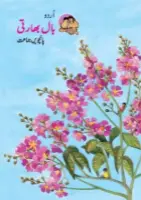
You’ll find Class 10 Kumarbharti- Urdu is the core textbook that structures your syllabus, combines literary texts with grammar and composition, and aligns with Maharashtra State Board requirements. Use this book as both your primary study source and a practice guide — it gives you the texts, questions, and examples you need to build comprehension and exam-ready writing skills.
This article will explain what Kumarbharti covers, how the board frames assessment, and which chapters demand extra focus. You’ll also get practical study strategies tailored to Urdu literature, grammar drills, and time-saving revision tips that help you convert course content into higher marks.
Overview of Class 10 Kumarbharti- Urdu
This section explains the core content, textbook layout, and how your performance is evaluated in Class 10 Kumarbharti (Urdu). It highlights the syllabus scope, the structure of the prescribed Kumarbharti textbook, and the board assessment pattern you will face.
Syllabus Highlights
The syllabus focuses on four skill areas: reading comprehension, writing, grammar, and literature (prose, poetry, and drama). You will study prescribed chapters, nazms (poems), ghazals, and short stories that emphasize vocabulary, idioms, and thematic analysis.
Grammar items include tense usage, passive voice, verb forms, sentence transformation, and punctuation. Writing tasks cover letter writing (formal/informal), essays, precis, and report writing—each with defined word limits and marking weightage.
Comprehension passages test literal and inferential understanding, vocabulary replacement, and summary skills. Literature questions require explanation of lines, context-based answers, and critical interpretation. The syllabus aligns with Maharashtra board guidelines for Urdu medium instruction and aims to balance language mechanics with literary appreciation.
Prescribed Textbook Structure
The Kumarbharti textbook organizes content by units: prose, poetry, grammar, and composition. Each prose lesson opens with objectives, new words, and comprehension questions; poems include meanings, metres, and explanation prompts.
Grammar sections present rules followed by graded exercises. Composition chapters provide model letters, essays, and formats, plus practice tasks for different real-life contexts. Marginal notes and glossaries clarify difficult vocabulary for Urdu-medium students.
Supplementary materials often include sample answers and past-paper-based exercises. The textbook follows MSBSHSE formatting conventions, so chapters map to the board’s pairing scheme and are suitable for both classroom instruction and home study.
Assessment Pattern
Board assessment splits into theory and practical/internal evaluation where applicable. Theory typically carries 75 marks, covering reading, writing, grammar, and literature questions distributed as per the MSBSHSE exam blueprint.
Question types include short-answer, long-answer, comprehension passages, poetry explanation, and grammar items with specified marks and time allocations. Internal evaluation may include oral tests, project work, and periodic class assessments that contribute to continuous assessment scores.
Examiners look for accurate Urdu script, correct grammar, coherent structure in compositions, and textual understanding in literature answers. Time management and adherence to word limits significantly influence your final marks.
Effective Study Strategies for Kumarbharti- Urdu
Focus on targeted chapter practice, regular vocabulary building, and timed writing practice. Prioritize question types that carry highest marks and make a revision schedule that cycles through prose, poetry, and grammar.
Chapter-Wise Preparation Tips
Start by mapping the Kumarbharti textbook: list all prose lessons, nazms/ghazals, and grammar units. For each prose lesson, create a one-page summary with: key plot points, character roles, two important quotations (Urdu and English transliteration), and one likely question and answer.
For poetry, annotate each poem with meter, central image, and two interpretive lines you can explain in exam language. Memorize meanings of eight to ten difficult words per poem and practice three short-answer responses per poem.
For grammar and composition, schedule daily 20–30 minute drills: sentence correction, fill-in-the-blanks, and a weekly essay or letter under 30 minutes. Use past-year question papers to time yourself on sections that weigh more marks.
Important Literary Themes
Identify recurring themes: social reform, identity and tradition, nature imagery, and moral dilemmas. For each theme, prepare two textbook examples (lesson/poem), one supporting quotation, and a one-paragraph explanation linking text to theme.
Highlight techniques authors use to convey themes: symbolism, direct speech, and contrast. Note how cultural context affects meaning—e.g., social reform in a story may rely on historical customs that you should briefly explain in answers.
Create a quick-reference table listing: theme | text example | one-line explanation. Use that table for rapid revision before exams.
Common Examination Mistakes
Avoid vague answers that restate the question without textual support. Always cite a line or give a specific incident from the chapter or poem to back each claim.
Manage time poorly: allocate minutes per question and stick to them. Many students lose easy marks on grammar sections by neglecting basic rules—practice subject-verb agreement, postpositions, and verb forms until they become automatic.
Don’t over-translate Urdu lines into English in answers; explain meanings concisely in Urdu terms or simple English equivalents. Proofread for spelling of key Urdu terms and names, and ensure handwriting or script legibility when writing Urdu answers.
Leave a Reply